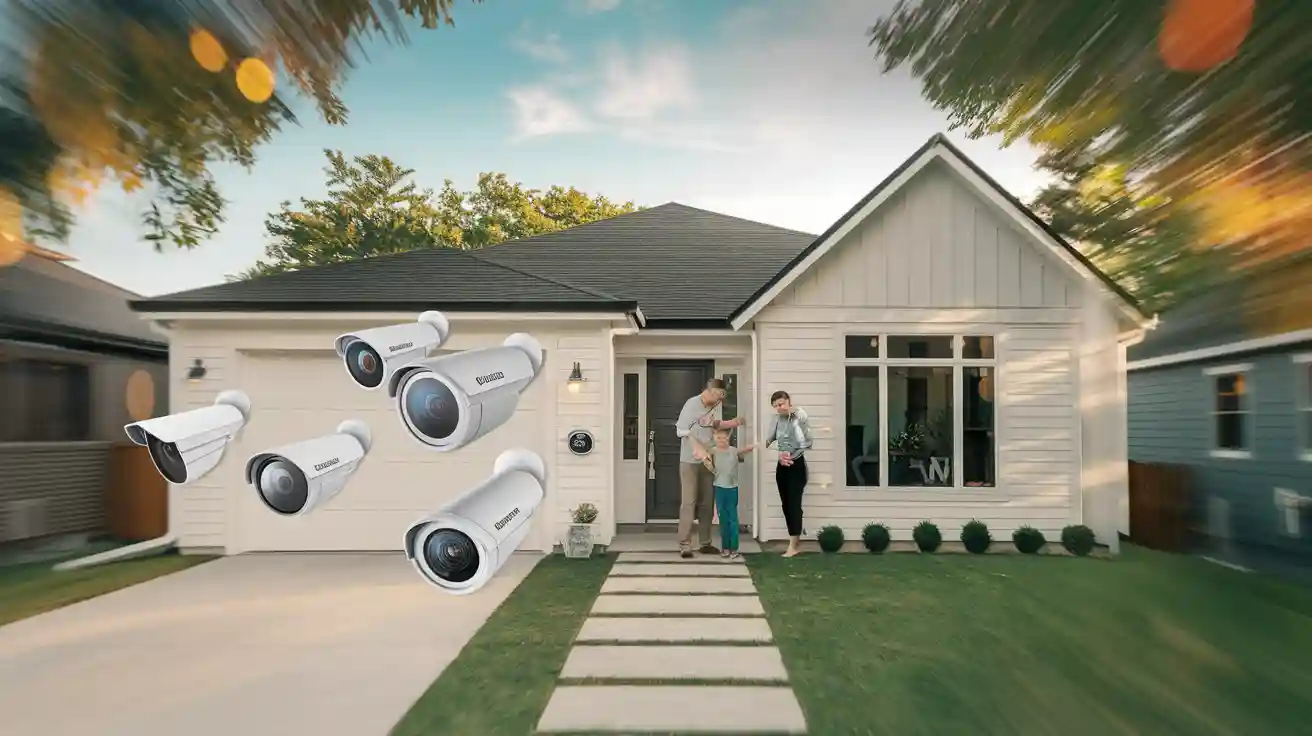
A neighbor of mine installed four CCTV cameras around her house last year and later admitted she barely understood half the specs on the box when she bought them. That’s pretty common, honestly. CCTV cameras come with a lot of technical jargon that doesn’t need to be as confusing as it looks.
What Actually Matters When Choosing a Camera
Quick answer: When choosing CCTV cameras for home security, prioritize resolution (1080p minimum), night vision range, storage options (cloud vs local), and weather resistance for outdoor units over extra features like two-way audio or AI detection.
Everything else is secondary to these four factors.
Resolution: What’s Actually Necessary
1080p is the practical minimum for identifying faces or license plates clearly. 4K cameras exist and look impressive in marketing, but they eat up significantly more storage and aren’t necessary for most homes unless you’re covering a large gate or driveway area.
I’d say don’t overspend chasing 4K unless you have a specific reason — 1080p handles 90% of home security needs just fine.
Indoor vs Outdoor Cameras
This distinction matters more than people realize. Outdoor cameras need an IP65 or higher weatherproof rating to survive monsoon and heat without failing. Indoor cameras don’t need this rating but often include features like better low-light indoor sensitivity instead.
Don’t make the mistake of installing an indoor-rated camera outside to save money — it won’t last a full monsoon season.
Night Vision Range
Most budget cameras claim night vision, but the actual usable range varies wildly — anywhere from 5 meters to 30 meters. For a gate or driveway, you want at least 15-20 meters of clear night vision range, not just “night vision” as a checkbox feature.
Storage: Cloud vs Local
This is where a lot of buyers get confused, so let’s break it down:
- Local storage (SD card/DVR) — one-time cost, no monthly fees, but footage is lost if the device is stolen or damaged
- Cloud storage — monthly subscription (₹150-₹500/month typically), footage safe even if the camera is stolen, but ongoing cost
- Hybrid systems — some cameras offer both, giving you a local backup plus cloud redundancy
I generally recommend hybrid setups if your budget allows — it’s the safest bet against both technical failure and theft.
[link to related guide about smart door locks here]
Number and Placement of Cameras
More cameras isn’t always better — placement matters more. Priority spots for most homes:
- Main entrance/front door
- Driveway or gate area
- Back entrance or any secondary access point
- A common area inside, if there’s space you’re specifically concerned about
Three well-placed cameras usually cover a home better than six poorly positioned ones.
Wired vs Wireless Systems
Wireless cameras are easier to install and reposition but depend on stable Wi-Fi and battery life. Wired systems are more reliable long-term but require actual installation work, usually meaning you’ll need an electrician or technician for setup.
[link to related guide about smart home upgrades here]
Budget Expectations
A basic 2-camera wireless setup with cloud storage starts around ₹8,000-₹15,000 including the first few months of subscription. A more comprehensive 4-camera wired system with local + cloud storage can run ₹25,000-₹50,000 depending on brand and features.
FAQ
Q: How many CCTV cameras does a typical home need? Most homes do well with 3-4 cameras covering the main entrance, gate, and any secondary access points — more isn’t always necessary.
Q: Is cloud storage necessary for home CCTV? It’s not necessary but adds a layer of protection since footage survives even if the physical camera is stolen or damaged.
Q: What resolution is best for home security cameras? 1080p is sufficient for most homes; 4K is only worth the extra cost and storage if you’re covering a large outdoor area needing detailed identification.
Q: Do CCTV cameras work during power cuts? Wired systems with battery backup continue working; wireless cameras depend on both power and Wi-Fi, so they may go offline during outages unless backed up.
Q: How much does a good home CCTV system cost? Basic setups start around ₹8,000-₹15,000, while more comprehensive systems with better storage and more cameras run ₹25,000-₹50,000.
Conclusion
Choosing the right CCTV cameras doesn’t require becoming a tech expert — just focus on resolution, night vision range, storage type, and proper placement. Skip the flashy extras unless they solve a real problem you have. A well-planned 3-4 camera setup will do more for your home security than an expensive system installed without much thought.
Image Alt Text Suggestions:
- “Outdoor CCTV camera installed at home gate entrance”
- “Home security camera with night vision on driveway”
- “CCTV camera system connected to mobile app for monitoring”