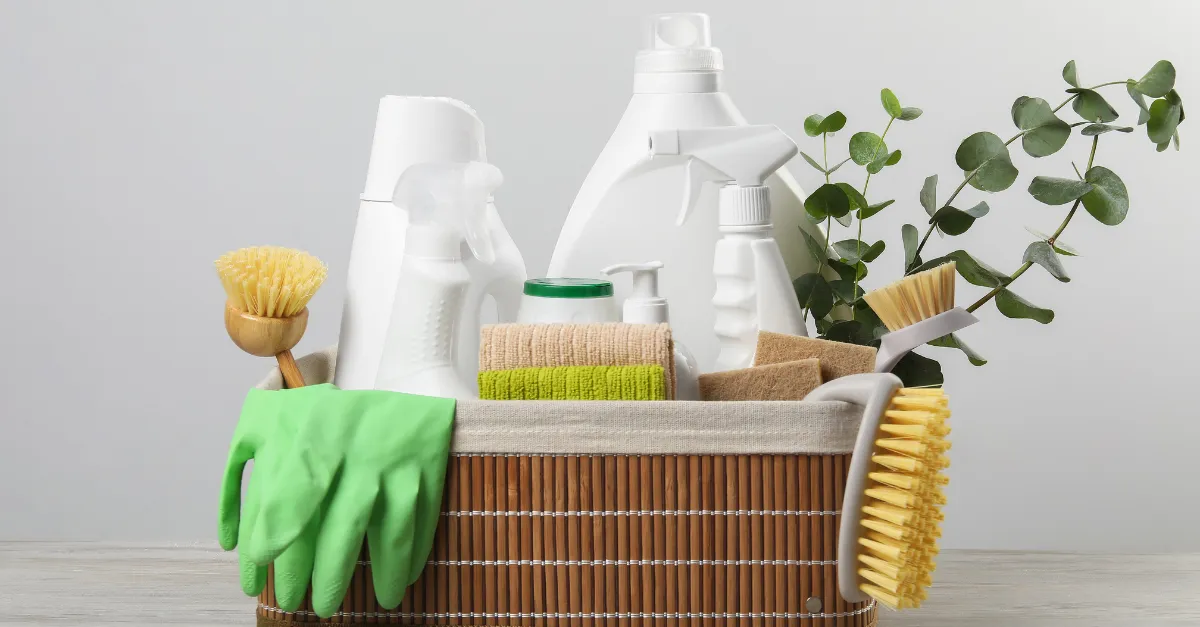
I used to be skeptical of eco-friendly cleaning products, if I’m honest. Too many green-labeled cleaners I tried years ago just didn’t cut through grease or grime the way regular chemical cleaners did. But the category’s genuinely improved, and there are options now that actually work, not just smell nice.
Do Eco-Friendly Cleaners Actually Work?
Quick answer: Modern eco-friendly cleaning products using ingredients like enzymes, citrus oils, and plant-based surfactants can match conventional cleaners for most household tasks, though heavy-duty grease and mineral buildup may still need targeted stronger solutions occasionally.
They’re not universally perfect substitutes, but for 80-90% of regular cleaning needs, they genuinely hold up.
Vinegar-Based Cleaners
White vinegar diluted with water is one of the most reliable natural cleaners for glass, countertops, and general surfaces. It’s cheap — under ₹100 for a bottle that lasts weeks — and cuts through light grease and mineral deposits effectively.
I use it for windows specifically. Streak-free every time, and it doesn’t leave that chemical smell lingering afterward.
Baking Soda for Scrubbing
Baking soda works as a gentle abrasive for scrubbing sinks, stovetops, and bathroom tiles without scratching surfaces the way harsh chemical scouring powders sometimes do. Mix it with a little water to form a paste for stubborn stains.
[link to related guide about deep cleaning checklist here]
Enzyme-Based Cleaners
This is where eco-friendly cleaning has really improved. Enzyme-based cleaners break down organic stains — food, grease, pet accidents — at a molecular level rather than just masking them. They’re particularly good for:
- Kitchen grease on stovetops and exhaust areas
- Pet stain and odor removal from carpets
- Bathroom soap scum buildup
Citrus Oil-Based Degreasers
Products using citrus (usually orange or lemon) oil as the active ingredient handle grease surprisingly well, and honestly smell far better than ammonia-based alternatives. They work well on kitchen surfaces, stovetops, and even some tool degreasing.
What to Check on Labels
Not every product labeled “eco-friendly” or “natural” actually is — greenwashing is common in this space. Look for:
- Biodegradable surfactants listed specifically, not just a vague “eco” claim
- No phosphates or chlorine bleach
- Certifications from recognized eco-labels rather than just marketing text
- Concentrated formulas, which reduce plastic packaging waste over time
DIY Eco-Friendly Options
You don’t always need to buy a product. Simple combinations work well for specific tasks:
- Vinegar + water (1:1) for glass and general surfaces
- Baking soda + water paste for scrubbing
- Vinegar + baking soda (used separately, not together) for drain maintenance
- Castile soap diluted with water for a gentle all-purpose cleaner
I’ll be honest, I don’t DIY everything — some tasks genuinely benefit from a proper store-bought product, especially heavy bathroom soap scum. But for daily surface cleaning, homemade solutions handle it fine.
[link to related guide about home maintenance checklist here]
Where Eco-Friendly Products Fall Short
For heavy mineral buildup (hard water stains) or really stubborn grease that’s been sitting for weeks, conventional stronger cleaners sometimes still outperform eco options. That’s fine — using a stronger product occasionally for tough jobs while going eco-friendly for daily cleaning is a reasonable middle ground.
FAQ
Q: Are eco-friendly cleaning products as effective as chemical ones? For most everyday cleaning tasks, yes. Heavy grease or mineral buildup may occasionally still need a stronger conventional product.
Q: What’s the cheapest eco-friendly cleaning solution? A vinegar and water mixture, costing under ₹100 and lasting weeks, handles most glass and surface cleaning needs effectively.
Q: Are eco-friendly cleaners safe around kids and pets? Generally yes, since they avoid harsh chemicals like ammonia and bleach, though it’s still wise to check specific product labels for any cautions.
Q: How can I tell if a product is genuinely eco-friendly? Look for specific ingredient disclosures and recognized certifications rather than vague marketing terms like “natural” or “green” alone.
Q: Can I mix vinegar and baking soda for cleaning? They can be used together for drain cleaning as a fizzing reaction, but for surface cleaning, they’re generally more effective used separately.
Conclusion
Eco-friendly cleaning products have come a long way from the underperforming options of a few years back. Vinegar, baking soda, enzyme cleaners, and citrus-based degreasers handle the vast majority of household cleaning needs without harsh chemical smells or residue. Keep a conventional stronger cleaner around for the occasional tough job, but for daily cleaning, going eco-friendly genuinely works — and your home will smell better for it.
Image Alt Text Suggestions:
- “Eco-friendly cleaning products with vinegar and baking soda”
- “Natural citrus degreaser cleaning kitchen stovetop”
- “Enzyme-based cleaner for eco-friendly home cleaning”