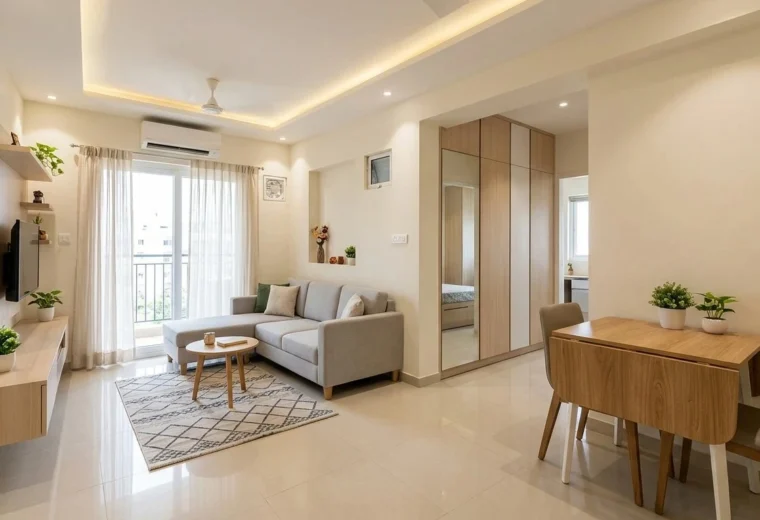
Design trend lists online often feel disconnected from what people are actually doing in their homes. I wanted to put together home design trends that reflect what’s genuinely showing up in renovations and new builds this year, not just what looks good on a design blog.
What’s Actually Trending in 2026
Quick answer: Key home design trends for 2026 include warm minimalism, natural and textured materials, biophilic design elements, multi-functional spaces, and a move away from stark all-white interiors toward warmer, earthier color palettes.
The overall shift is away from cold, sterile minimalism toward something warmer and more livable.
Warm Minimalism Over Stark Minimalism
Pure white, sparse minimalism is giving way to what’s often called “warm minimalism” — still clean and uncluttered, but incorporating warmer tones, natural textures, and softer edges rather than the cold, gallery-like feel of earlier minimalist trends.
I think this shift makes sense. Stark minimalism always looked good in photos but felt a bit sterile to actually live in day to day.
Natural and Textured Materials
Materials like rattan, jute, unfinished wood, and natural stone are showing up more frequently in 2026 interiors, adding tactile warmth that smoother, more uniform materials don’t provide. This ties closely into the broader shift toward warmer, more grounded interior spaces.
[link to related guide about minimalist interior design here]
Biophilic Design Elements
Biophilic design — incorporating natural elements like plants, natural light, and organic shapes into interiors — continues gaining traction, driven partly by growing awareness of how green spaces affect mental wellbeing in daily living environments.
Practical biophilic elements showing up in homes:
- Larger, more prominent indoor plant displays rather than a single token plant
- Increased use of natural light through larger windows or skylights where structurally possible
- Organic, curved furniture shapes replacing sharp geometric lines
Multi-Functional Spaces
With more people working from home at least part-time, rooms are increasingly designed to serve multiple purposes — a guest room that doubles as a home office, a dining area that converts into workspace during the day. This isn’t just a space-saving trend; it’s becoming a genuine design expectation.
Earthy and Warm Color Palettes
Terracotta, warm greens, muted browns, and soft ochres are replacing the all-white and cool grey palettes that dominated interior design for the past several years. These warmer tones create a cozier, more grounded feel that seems to be resonating with people wanting their homes to feel less like a showroom.
[link to related guide about paint colors for small rooms here]
Statement Ceilings
Ceilings are getting more design attention than they have in years — textured finishes, bold paint colors, or exposed wood beams are being used to add visual interest to what’s traditionally been an overlooked surface.
Sustainable and Locally Sourced Materials
There’s a growing preference for materials sourced locally or produced sustainably, partly driven by cost considerations (reduced shipping) and partly by increased environmental awareness among homeowners planning renovations.
Curved Furniture and Soft Architectural Lines
Sharp, angular furniture is giving way to rounded, softer shapes — curved sofas, rounded coffee tables, arched doorways and mirrors. This trend pairs naturally with the broader warm minimalism shift, softening spaces that were previously dominated by hard geometric lines.
FAQ
Q: Is stark white minimalism still trending in 2026? It’s fading in favor of “warm minimalism,” which keeps clean lines but incorporates warmer tones and natural textures rather than cold, sterile white spaces.
Q: What colors are trending for home interiors in 2026? Earthy, warm tones like terracotta, muted greens, and soft ochres are replacing the cool grey and all-white palettes popular in previous years.
Q: What is biophilic design? Biophilic design incorporates natural elements — plants, natural light, organic shapes — into interior spaces to improve wellbeing and create a more grounded living environment.
Q: Are multi-functional rooms a lasting trend or temporary? Given the continued prevalence of remote and hybrid work, multi-functional spaces appear to be a lasting shift rather than a passing trend.
Q: Do design trends matter if I’m not planning to sell my home soon? Trends are worth following selectively for elements you’ll enjoy daily, though it’s wise to balance trend-driven choices with what genuinely suits your lifestyle long-term.
Conclusion
Home design trends in 2026 reflect a broader shift toward warmth, texture, and functionality over the stark, ultra-minimalist aesthetics of recent years. Warm minimalism, natural materials, biophilic elements, and multi-functional spaces are showing up across renovations and new builds alike. You don’t need to chase every trend, but incorporating a few — especially warmer color palettes and natural materials — can genuinely refresh a home without a complete overhaul.