Water is one of those everyday essentials we tend to take for granted. We turn on the kitchen tap, fill a glass, wash vegetables, or make a cup of tea without giving much thought to what might be present in the water. That changes quickly when the taste seems unusual, mineral deposits appear around the sink, or a filter suddenly stops working as expected.
For homeowners, choosing the right water treatment system can feel confusing. There are countless products on the market, each promising cleaner water and a better experience. Some are designed to improve taste, while others target specific contaminants or reduce dissolved substances. Understanding the differences makes it easier to spend wisely and find a solution that genuinely suits your household.
Why Water Quality Should Never Be Guesswork
Water quality can vary significantly depending on the source, local environment, and condition of the plumbing. Municipal water supplies are generally treated and monitored, but water can still be affected by household pipes, storage tanks, or plumbing fixtures. Private well owners face additional responsibilities because they must arrange appropriate testing themselves.
Sometimes, the signs of a water problem are easy to spot. You might notice cloudy water, a metallic taste, an unpleasant smell, or stubborn white marks on taps. Other contaminants, however, cannot be detected through appearance, taste, or smell alone.
That’s why identifying the actual problem should come before buying treatment equipment. A laboratory water test can help determine whether the concern involves hardness, bacteria, nitrates, certain metals, or another substance. The right tests depend on your water source and local conditions.
It’s tempting to choose a system based on a friend’s recommendation or an online review. But what works beautifully in one house may be unnecessary in another. Water treatment is most effective when the equipment matches the problem rather than simply offering the longest list of features.
Understanding the Role of Water Filtration
A well-chosen water filtration system can help address specific water-quality concerns and improve the experience of using water throughout the day. However, filtration isn’t a single technology. Different filter materials are designed to capture or reduce different substances.
Sediment filters, for example, remove suspended particles such as sand, rust, and debris. They’re often used as a preliminary stage to protect other treatment equipment. Activated carbon filters can improve taste and odor by reducing chlorine and certain organic compounds, depending on the product’s design and certification.
Some households need filtration at only one location, such as the kitchen tap. Others may benefit from a whole-house system that treats water as it enters the property. The best arrangement depends on which contaminants are present, how much water the household uses, and whether the main concern involves drinking water or general household use.
Filter maintenance matters just as much as the initial purchase. Over time, cartridges can become clogged or lose their effectiveness. Ignoring replacement schedules may reduce performance and, in some systems, create conditions that encourage microbial growth.
Before choosing a filter, check its independently verified performance claims. Look for information about the specific substances it reduces, expected cartridge life, replacement costs, and required operating conditions. A clear understanding of these details helps avoid unpleasant surprises after installation.
When Reverse Osmosis May Be Worth Considering
Some homeowners want to reduce dissolved substances that ordinary sediment or carbon filters may not adequately address. In these situations, reverse osmosis can be a useful option when the system is selected for the contaminants identified through testing.
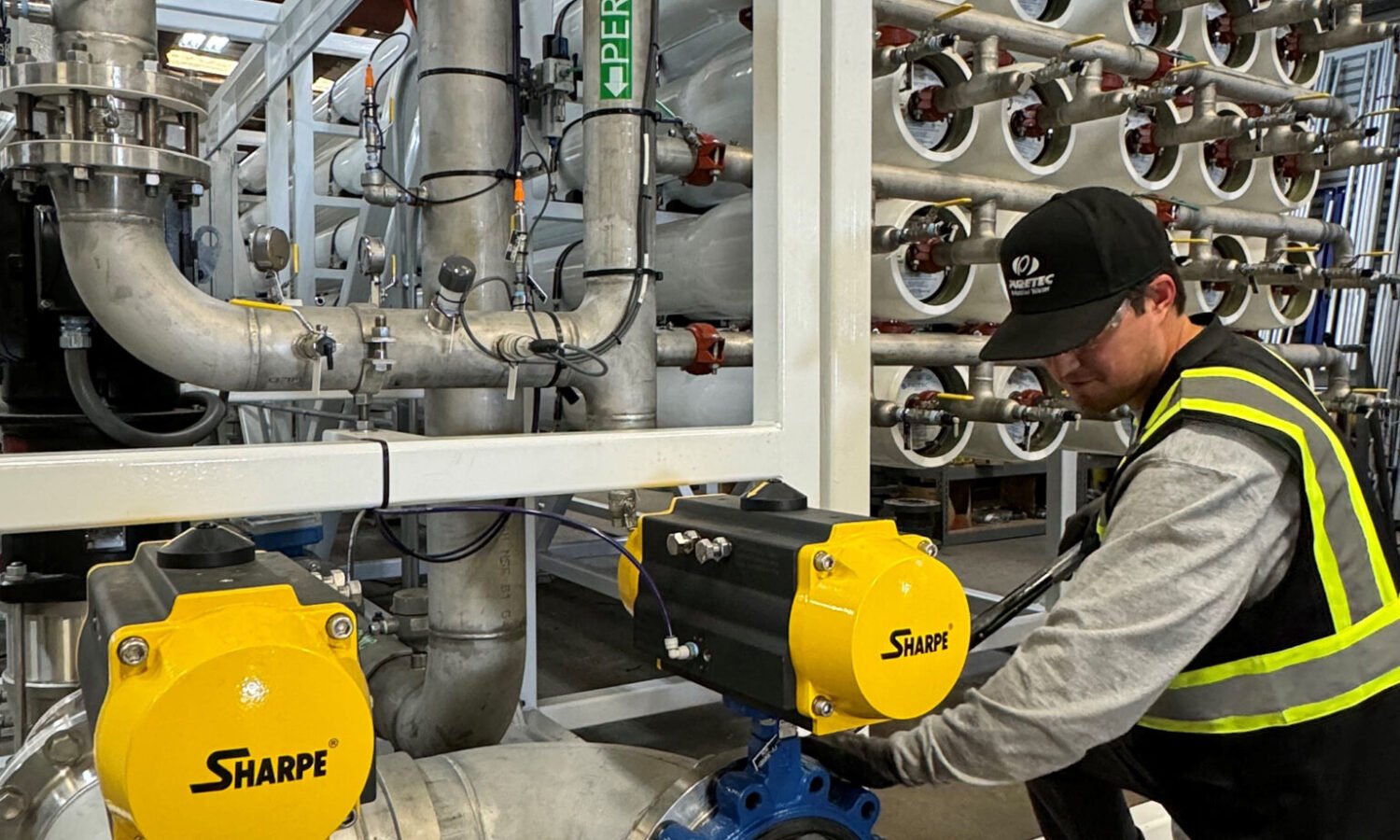
Reverse osmosis works by applying pressure to move water through a semipermeable membrane. The membrane allows water to pass while rejecting a substantial proportion of many dissolved substances. Depending on the system, additional treatment stages may improve taste, protect the membrane, or provide further contaminant reduction.
These systems are commonly installed beneath kitchen sinks to supply drinking and cooking water. For families who regularly prepare meals at home, having a dedicated treated-water tap can be convenient. It can also reduce reliance on bottled water when the system is appropriate for the local water supply and maintained correctly.
Still, reverse osmosis isn’t automatically the best choice for every household. The amount of water rejected during treatment varies by system design and operating conditions. Some units also require electricity, storage tanks, or periodic sanitization. Replacement membranes and filters add to the long-term cost.
Reverse osmosis may also reduce minerals that contribute to water’s taste. Some systems include a remineralization stage, although the need for one depends on personal preference and the overall treatment goals. More importantly, no system should be assumed to remove every contaminant without checking its verified performance.
If a particular health-related contaminant has been identified, select a system specifically certified or validated for reducing that substance. General claims such as “purifies everything” aren’t a substitute for reliable evidence.
Installation and Maintenance Are Part of the Investment
Even an excellent treatment system can underperform when installed incorrectly. Water pressure, flow rate, pipe condition, drainage arrangements, and available installation space can all influence how well the equipment operates.
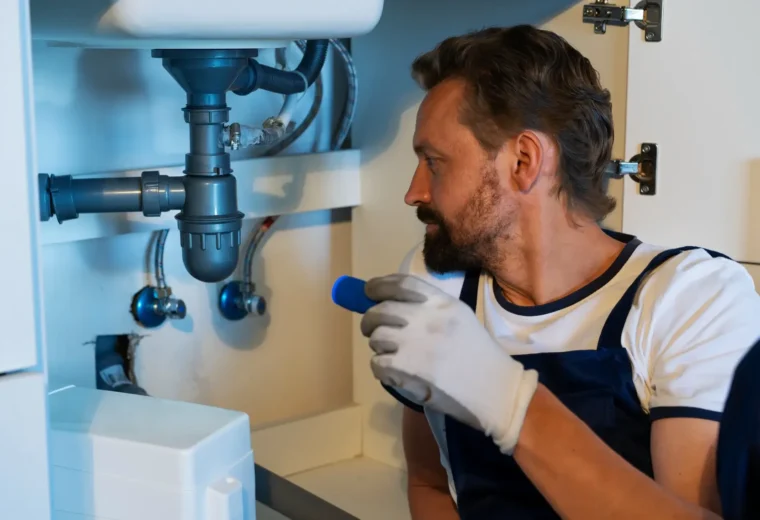
A professional installer can assess these factors before work begins. This is particularly helpful when a home has several treatment stages, older plumbing, or a water supply that requires specialized equipment. Proper installation can also make future servicing easier and help reduce the risk of leaks.
Maintenance shouldn’t be an afterthought. Filters need replacement at recommended intervals, while reverse osmosis membranes may require periodic inspection or replacement according to water conditions and manufacturer guidance. Systems with storage tanks may also need cleaning and sanitization.
Keep a simple record of service dates and replacement parts. It doesn’t need to be complicated; a note on your phone or a reminder on the calendar is often enough. If the water’s taste changes noticeably or flow becomes weaker, investigate the cause rather than assuming that replacing one filter will solve everything.
Why Emergency Support Can Make a Difference
Water problems don’t always appear at a convenient time. A pipe may begin leaking late at night, a pressure system can fail before a busy morning, or a treatment unit might develop a leak just when the household needs it most.
Reliable emergency support can be valuable when a water-related problem threatens the home, interrupts the supply, or creates a risk of property damage. Knowing whom to contact before an emergency occurs can save time and reduce stress when something unexpected happens.
Homeowners can take a few sensible precautions, too. Learn where the main water shutoff valve is located and make sure household members know how to use it. Keep the area around water treatment equipment accessible, and check connections periodically for visible moisture or corrosion.
If a pipe bursts or a treatment unit begins leaking heavily, shut off the water supply if it is safe to do so. Keep away from electrical equipment exposed to water, and contact an appropriately qualified professional. If the water supply may be contaminated, follow advice from the local water provider or public health authorities before using it for drinking or cooking.
Not every issue is an emergency, of course. A slowly declining filter performance may simply require routine servicing. The important thing is to recognize when a problem needs immediate attention and when a planned maintenance visit is sufficient.
Making a Sensible Long-Term Choice
The best water treatment setup isn’t necessarily the most expensive or technically complicated. It’s the one that addresses your household’s actual needs, operates reliably, and remains affordable to maintain.
Begin with a clear understanding of your water source. Arrange appropriate testing when necessary, compare systems based on verified performance, and consider installation and maintenance costs alongside the initial price. Ask providers what their equipment can remove, what it cannot remove, and how you’ll know when servicing is due.
It’s also worth reviewing your needs over time. Household size may change, new appliances may be installed, or water quality may shift following plumbing work or environmental events. A system that suited your home several years ago may eventually need an adjustment.
Clean, dependable water shouldn’t be a source of constant worry. With informed decisions, appropriate treatment, and a little regular care, homeowners can protect their investment and enjoy greater confidence in the water they use every day. Often, the smartest solution is simply the one that does its job quietly, consistently, and without unnecessary complications.