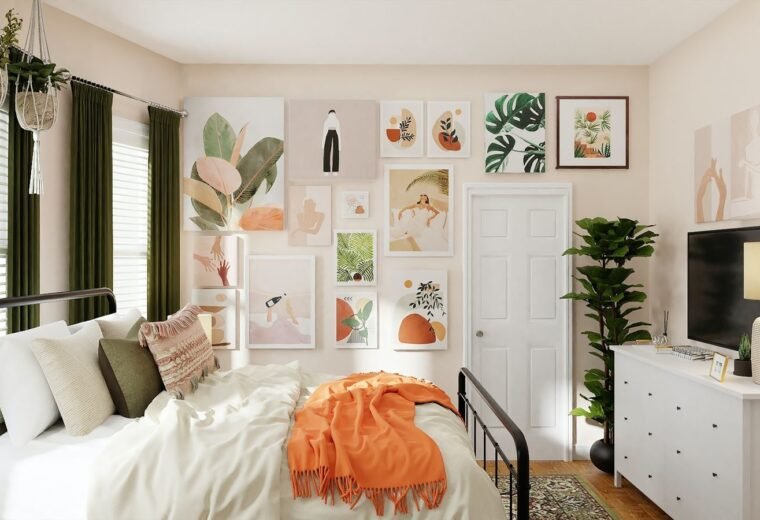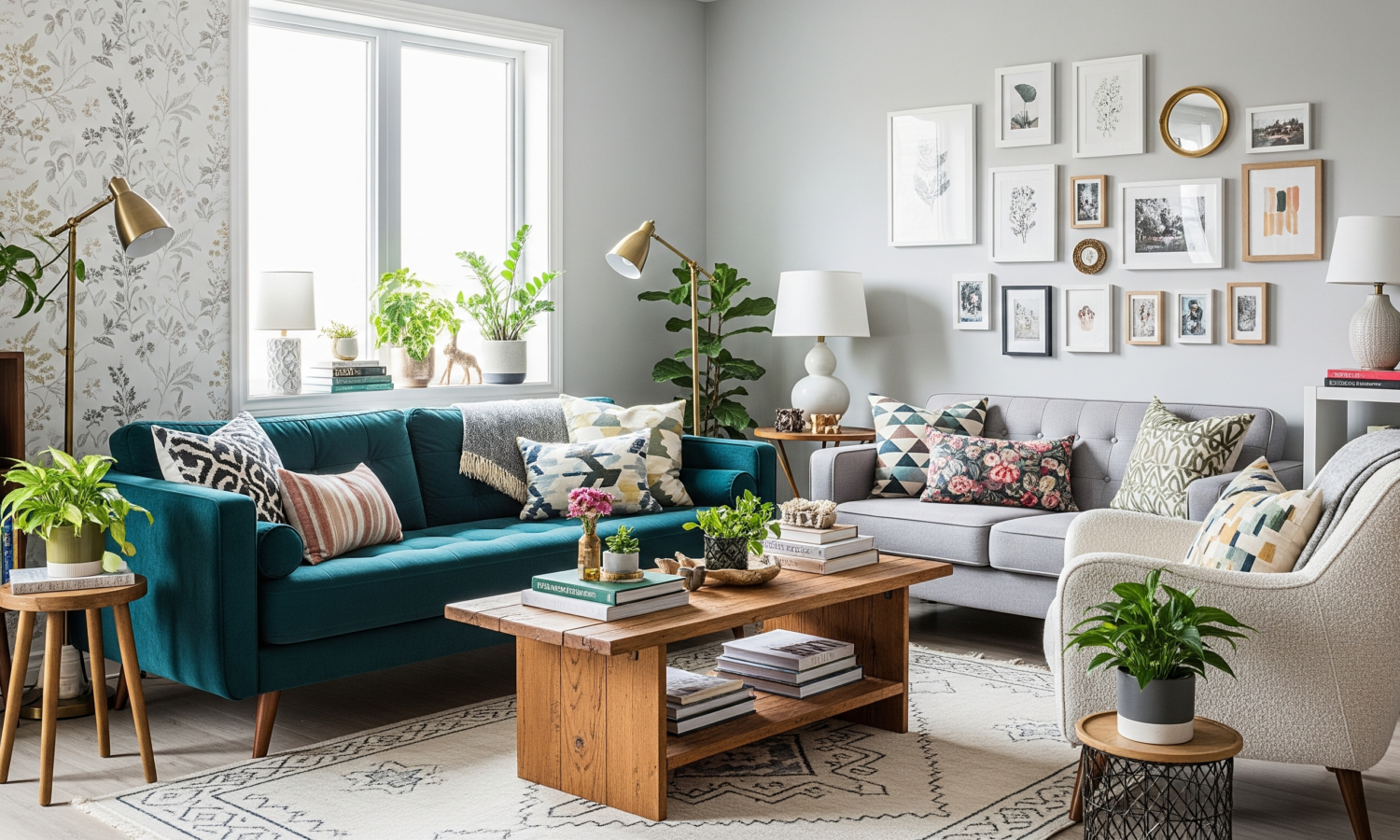
There’s a common fear people have about combining different furniture styles — that it’ll end up looking like a mismatched mess instead of an intentional, curated space. I get it. But some of the best-looking rooms I’ve seen are exactly the ones that mix styles confidently, not the ones filled with a single matching set.
The Secret to Mixing Furniture Successfully
Quick answer: To mix and match furniture styles successfully, keep a consistent color palette or material thread running through the room, vary styles gradually rather than combining too many at once, and anchor the space with one or two statement pieces rather than making everything compete for attention.
Cohesion comes from a unifying thread, not from everything matching exactly.
Start With a Common Thread
Pick one element to stay consistent across your mixed furniture — it could be wood tone, a color palette, or even just a general “feel” (modern, rustic, vintage). This common thread is what keeps a room from looking randomly assembled even when the individual pieces are stylistically different.
I’ve noticed rooms fail at this mix when there’s zero connecting element — a bright red modern chair next to a dark wood colonial table with no shared color or material anywhere else just reads as chaotic rather than curated.
Don’t Mix More Than 2-3 Styles
Combining too many aesthetic directions in one room dilutes the whole effect. Pick two, maybe three, complementary styles — say, mid-century modern with a touch of industrial — rather than throwing in five different eras and aesthetics into a single space.
[link to related guide about minimalist interior design here]
Let One Piece Anchor the Room
Every well-mixed room usually has one statement piece that everything else supports rather than competes with — a bold vintage armchair, a striking modern coffee table, an antique cabinet. Build the rest of the furniture selection around complementing that anchor piece, not overshadowing it.
Balance Old and New
Pairing an antique or vintage piece with something more modern creates visual interest and prevents a room from feeling like it’s stuck in one specific era. This contrast, done thoughtfully, often looks more sophisticated than an entirely matched furniture set.
A few pairing ideas that work well:
- A modern sofa with a vintage wooden coffee table
- Industrial metal shelving alongside soft, traditional upholstered seating
- Sleek contemporary dining chairs around a rustic wooden table
Use Texture to Unify Different Styles
Even when styles differ, similar textures — like matte wood finishes throughout, or consistent metal tones (all brass, or all matte black) across different furniture pieces — create a visual thread that ties a mismatched room together.
[link to related guide about budget home decorating ideas here]
Watch Scale and Proportion
Mixing styles is one thing, but mixing scale poorly is what actually breaks a room’s visual flow. A delicate vintage side table next to an oversized modern sectional can look off, not because of style difference but because of size mismatch. Keep proportions in mind as much as aesthetic style when combining pieces.
Trust the Process, Adjust as You Go
Honestly, mixing furniture styles well often takes some trial and error. Bring a piece into the room, live with it a few days, and see how it feels before committing further. What looks good in a photo doesn’t always translate the same way in your actual space and lighting.
FAQ
Q: How many furniture styles can I mix in one room without it looking messy? Stick to 2-3 complementary styles maximum; beyond that, a room tends to look cluttered and unintentional rather than curated.
Q: What’s the easiest way to unify mismatched furniture? A consistent color palette or repeated material (like wood tone or metal finish) across pieces creates cohesion even when styles differ.
Q: Should furniture always match in a well-designed room? No, many professionally designed spaces deliberately mix styles for visual interest — the key is a unifying thread, not exact matching.
Q: Can vintage and modern furniture work together? Yes, this contrast is a popular design approach and often creates a more sophisticated, collected look than an entirely matched set.
Q: What mistake do people make most often when mixing furniture styles? Combining too many different styles at once without any common color, material, or scale thread connecting them.
Conclusion
Mixing furniture styles isn’t about throwing random pieces together and hoping it works — it’s about finding that connecting thread, whether it’s color, material, or a shared design era, that ties everything together intentionally. Start with an anchor piece, stay within 2-3 complementary styles, and don’t be afraid to pair old with new. A room that mixes styles thoughtfully almost always looks more interesting than one filled with a single matching set.
Image Alt Text Suggestions:
- “Living room mixing modern sofa with vintage wood coffee table”
- “Eclectic furniture styling with consistent color palette”
- “Mixed furniture styles balanced with matching metal tones”