I’ve had people ask me if they can just use leftover exterior paint indoors to save money, or vice versa. The honest answer is — you technically can, but you probably shouldn’t. The interior vs exterior paint difference isn’t just marketing; the formulations genuinely serve different purposes.
The Core Formulation Difference
Quick answer: Interior vs exterior paint differ mainly in flexibility and resin content — exterior paint is formulated to expand and contract with temperature changes and resist UV, rain, and mold, while interior paint prioritizes washability, low odor, and a smoother finish for indoor conditions.
Using the wrong type in the wrong place doesn’t just look off — it actually fails faster.
Exterior Paint: Built for Weather
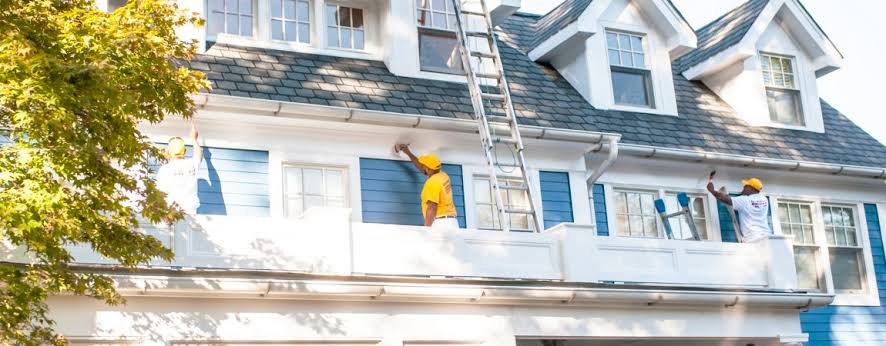
Exterior paint contains additives specifically for withstanding sun exposure, rain, temperature swings, and mold or mildew growth in humid conditions. The resins used are more flexible, allowing the paint film to expand and contract with heat and cold without cracking.
I’ve seen exterior walls painted with interior paint by mistake (usually to save money) start peeling within a single monsoon season — the paint just wasn’t built to handle that kind of moisture and temperature stress.
Interior Paint: Built for Living Spaces
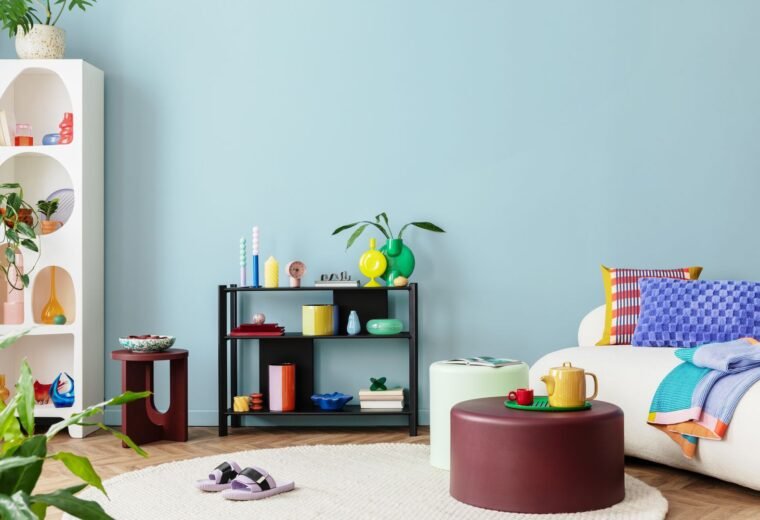
Interior paint prioritizes a smoother finish, better washability for handling everyday marks and stains, and lower VOC (volatile organic compound) levels, since indoor ventilation is more limited than outdoors. Low-VOC formulations matter more indoors specifically because you’re breathing that air daily.
[link to related guide about paint colors for small rooms here]
UV Resistance
Exterior paint includes UV-resistant additives to prevent fading and chalking (a powdery residue that forms as paint breaks down under sun exposure). Interior paint doesn’t need this since indoor walls aren’t exposed to direct, prolonged sunlight in the same way.
Mold and Mildew Resistance
This is a big one for humid climates. Exterior paints include mildewcides to resist mold growth from constant rain and moisture exposure. Interior paints, especially for bathrooms and kitchens, also include moisture-resistant additives, but generally at a different formulation level than exterior products.
Can You Use Exterior Paint Indoors?
Technically yes, but it’s not recommended for a few practical reasons:
- Higher VOC content can affect indoor air quality more than interior-specific paints
- Exterior paint often has a different sheen and texture that doesn’t suit indoor aesthetic expectations
- It typically costs more, so there’s no real savings benefit to justify using it indoors
Can You Use Interior Paint Outdoors?
This is the more problematic direction. Interior paint lacks the flexibility and weather resistance additives needed to survive rain, UV exposure, and temperature swings. It will crack, peel, and fade significantly faster than proper exterior paint when used outside — often within a single year or two instead of the 5-8 years a good exterior paint job should last.
[link to related guide about budget home improvement ideas here]
Cost Comparison
Exterior paint typically costs slightly more than interior paint due to the additional weather-resistant additives, usually running ₹1,200-₹2,500 per gallon compared to ₹800-₹1,800 for quality interior paint. Given how much longer a proper exterior paint job lasts, this cost difference is worth it rather than trying to cut corners.
FAQ
Q: What happens if I use interior paint outside? It will crack, peel, and fade much faster than exterior-rated paint, often failing within a year or two instead of lasting 5-8 years.
Q: Is exterior paint safe to use indoors? It’s usable but not ideal, since it typically has higher VOC content and a different finish than what’s suited for indoor spaces.
Q: Why does exterior paint cost more than interior paint? Exterior paint includes additional weather-resistant, UV-resistant, and flexible resin additives that increase manufacturing cost compared to interior formulations.
Q: How long does exterior paint typically last? A quality exterior paint job typically lasts 5-8 years before needing a repaint, depending on climate exposure and surface preparation.
Q: Do bathroom walls need special interior paint? Yes, moisture-resistant interior paint formulated for high-humidity areas holds up significantly better in bathrooms than standard interior paint.
Conclusion
The interior vs exterior paint distinction isn’t just a pricing gimmick — the formulations genuinely serve different environmental demands. Use exterior paint outside for its weather and UV resistance, and interior paint inside for its smoother finish and lower VOC content. Mixing them up might save a little money upfront, but you’ll likely end up repainting sooner, which costs more in the long run.
Image Alt Text Suggestions:
- “Exterior house paint resisting weather and sun exposure”
- “Interior wall paint application in living room”
- “Paint cans showing interior versus exterior formulations”