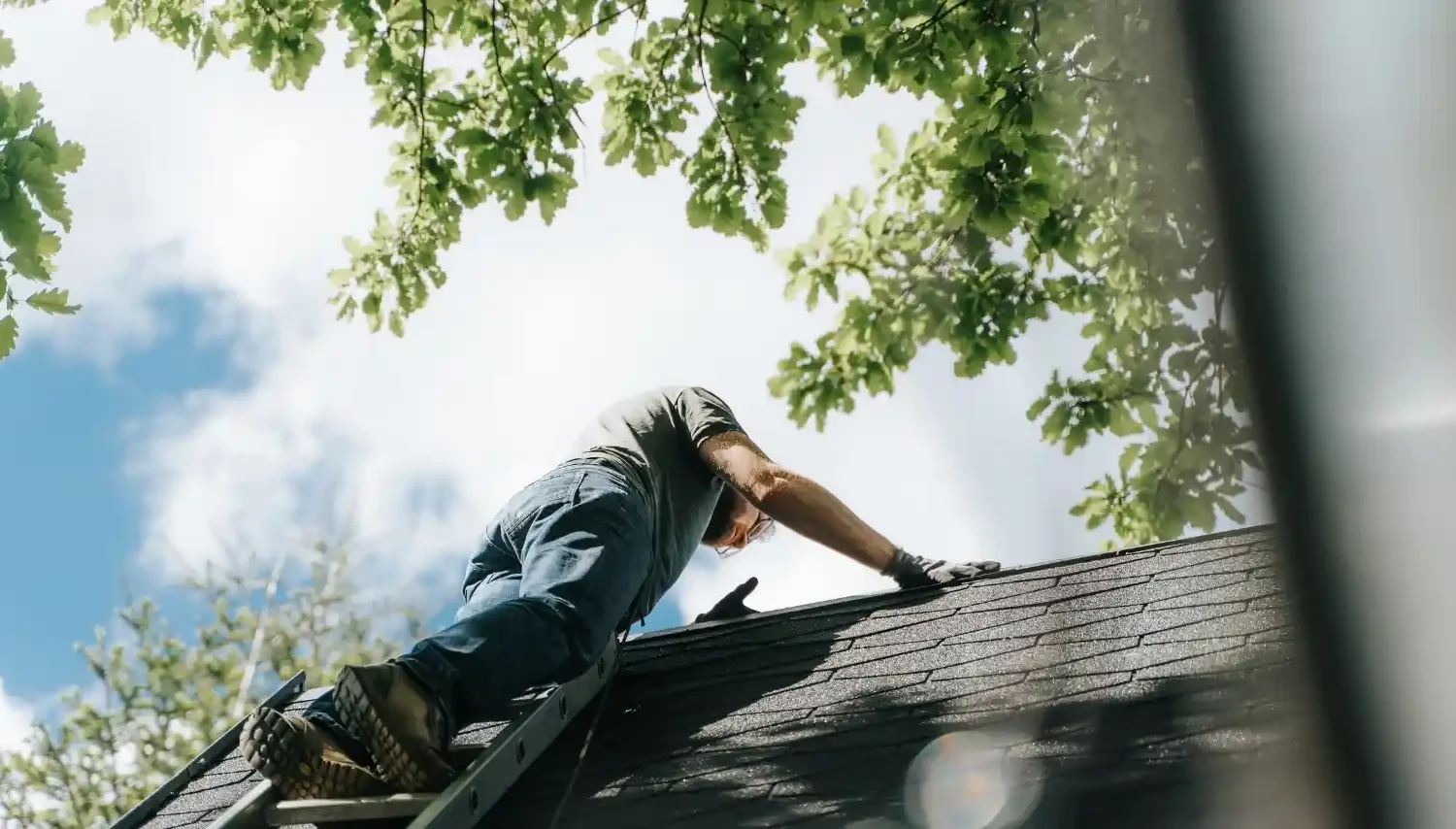
A roof rarely fails all at once — it gives warning signs for months, sometimes years, before a serious problem hits. I’ve talked to enough homeowners who ignored small issues until a monsoon turned them into major repairs to know these roof replacement signs are worth paying attention to early.
The Clearest Signs Your Roof Needs Replacing
Quick answer: Key roof replacement signs include visible cracks or missing tiles, persistent leaks despite repairs, sagging roof sections, and a roof age beyond 20-25 years for most conventional materials — any combination of these usually means replacement is more cost-effective than continued patching.
One sign alone might just need a repair. Multiple signs together usually point to replacement.
Age of the Roof
Most conventional roofing materials — concrete, asphalt shingles — have a realistic lifespan of 20-25 years. If your roof is approaching or past that age and showing any other issues on this list, replacement starts making more financial sense than repeated patch repairs.
Persistent Leaks Despite Repairs
If you’ve patched the same leak more than twice and it keeps coming back, that’s usually a sign the underlying roofing material has degraded beyond what a localized patch can fix. I’ve seen homeowners spend more on repeated small repairs over two years than a full replacement would have cost upfront.
[link to related guide about home maintenance checklist here]
Visible Cracks or Missing Tiles
Cracked, curled, or missing tiles/shingles expose the underlying structure to water damage. A few missing tiles here and there can be individually replaced, but widespread cracking across the roof surface signals broader material failure.
Sagging Roof Sections
This one’s serious and shouldn’t be delayed. A sagging section usually means water damage has compromised the structural support underneath, and it’s a genuine safety concern, not just a cosmetic issue. If you notice any sagging, get a professional inspection immediately.
Granule Loss (For Asphalt Roofs)
If you notice sand-like granules collecting in gutters or around downspouts, your asphalt shingles are shedding their protective coating. This accelerates aging and water damage risk, and heavy granule loss is a strong indicator that replacement is approaching.
Some things to check for granule loss:
- Look at gutter contents after a rain — excessive granules signal shingle wear
- Check shingle surfaces for bald or smooth patches
- More granule loss near roof edges is normal aging; widespread loss is concerning
Daylight Through the Roof Boards
If you can see daylight through your attic or roof boards, that’s an unmistakable sign of gaps or damage serious enough to need immediate attention. It also means rain and pests have an easy way in.
[link to related guide about roofing materials here]
Increased Energy Bills
A failing roof affects insulation, which can lead to noticeably higher cooling or heating costs as your HVAC system works harder to compensate. If your energy bills have crept up without a clear reason, it’s worth checking the roof’s condition alongside other possible causes.
Repair vs Replace: The Cost Math
As a general guideline, if repair costs exceed 30-40% of a full replacement cost, or if you’re dealing with multiple recurring issues rather than one isolated problem, replacement is usually the smarter long-term financial decision.
FAQ
Q: How long does a typical roof last before needing replacement? Most conventional roofing materials last 20-25 years, though this varies based on climate exposure and material quality.
Q: Is it cheaper to repair or replace a roof? Repairs are cheaper for isolated issues, but if repair costs approach 30-40% of full replacement cost, replacement usually makes more financial sense long-term.
Q: What does a sagging roof indicate? A sagging roof section typically means underlying structural damage from prolonged water exposure and requires immediate professional inspection.
Q: Can I inspect my roof for damage myself? Basic visual checks from the ground or gutters are fine, but a professional inspection is recommended for anything involving climbing onto the roof itself, for safety reasons.
Q: How often should a roof be professionally inspected? Ideally once a year, and definitely before and after monsoon season, to catch developing issues early.
Conclusion
Recognizing roof replacement signs early saves you from far more expensive water damage and structural repairs down the line. Age, persistent leaks, visible cracking, sagging, and granule loss are all worth acting on rather than ignoring until the next monsoon forces the issue. When in doubt, get a professional inspection — it’s a small cost compared to what a neglected roof failure ends up costing.
Image Alt Text Suggestions:
- “Cracked roof tiles showing signs of replacement need”
- “Sagging roof section indicating structural damage”
- “Roof inspection checking for granule loss and wear”