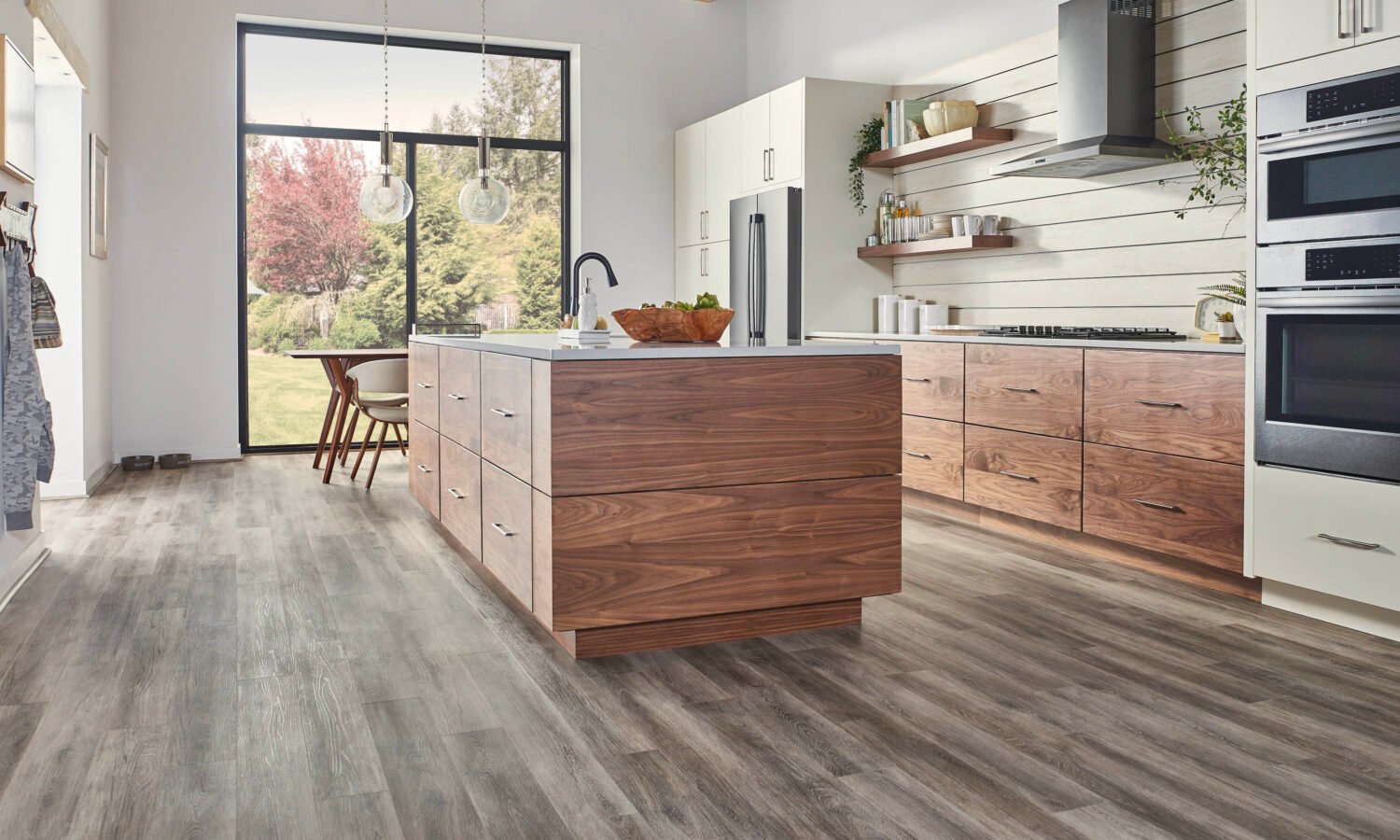
Homeowners doing a flooring upgrade almost always end up comparing vinyl and laminate at some point — they look similar in photos, sit in a comparable price range, and yet perform quite differently once installed. Let’s break down the real differences.
The Fundamental Difference
Quick answer: In the vinyl vs laminate flooring comparison, vinyl is water-resistant and better suited for kitchens and bathrooms, while laminate offers a more realistic wood texture and feel but can be damaged by prolonged water exposure, making it better suited for living rooms and bedrooms.
That single distinction — water resistance — usually decides which rooms each material suits best.
Material Composition
Vinyl flooring is made from PVC layers, making it inherently water-resistant and flexible. Laminate is made from a compressed wood-fiber core with a printed image layer on top, which gives it a more authentic wood or stone appearance but makes it vulnerable to swelling if water seeps into the core.
Water Resistance
This is the single biggest factor in the vinyl vs laminate flooring decision. Vinyl handles spills, humidity, and even standing water reasonably well without warping. Laminate, even “water-resistant” variants, can still swell or warp if water sits on it for extended periods or seeps into seams.
I always tell people planning a kitchen or bathroom floor — go vinyl. Save laminate for rooms where water isn’t a regular concern.
[link to related guide about best flooring for pets here]
Appearance and Texture
Laminate generally wins on realistic wood texture and visual depth, since the printing technology used tends to replicate wood grain more convincingly. Vinyl has improved significantly in recent years, but laminate still often has a slight edge for buyers specifically wanting an authentic hardwood look.
Cost Comparison
Both materials sit in a similar affordable range, though specific costs vary by quality tier:
- Vinyl — ₹80-₹250 per sq ft depending on quality and thickness
- Laminate — ₹100-₹300 per sq ft depending on the AC rating (durability class) and finish
Neither is dramatically cheaper than the other at comparable quality levels — the real cost difference comes down to specific brand and thickness choices.
Durability and Lifespan
Vinyl typically lasts 10-20 years depending on foot traffic and quality, and it’s more resistant to dents and scratches from furniture or pet claws. Laminate lasts a similar 15-25 years but is more prone to surface scratching, though it resists fading from sunlight slightly better than some vinyl products.
Installation and Comfort Underfoot
Vinyl tends to feel softer and warmer underfoot, especially cushioned vinyl varieties, making it more comfortable for standing for long periods, like in a kitchen. Laminate feels harder and can be colder, similar to walking on real hardwood, which some people actually prefer aesthetically and texturally.
[link to related guide about kitchen renovation cost here]
Which Rooms Suit Which Material
A practical room-by-room breakdown:
- Kitchen and bathroom — vinyl, due to water resistance
- Living room and bedroom — either works well, laminate if prioritizing a wood-like feel
- Basement or areas prone to humidity — vinyl, for moisture resistance
- Home office or study — laminate, for its more premium wood-like appearance
FAQ
Q: Which is more water-resistant, vinyl or laminate? Vinyl is significantly more water-resistant and holds up better in kitchens, bathrooms, and areas prone to spills or humidity.
Q: Does laminate flooring look more like real wood than vinyl? Generally yes, laminate’s printing technology tends to replicate wood grain texture and depth slightly more convincingly than most vinyl products.
Q: Is vinyl or laminate flooring cheaper? Both fall in a similar price range depending on quality tier; neither is consistently cheaper across all product levels.
Q: Can laminate flooring be used in bathrooms? It’s not recommended due to water exposure risk; vinyl is the safer, more durable choice for bathroom flooring.
Q: Which flooring option lasts longer, vinyl or laminate? Both offer comparable lifespans of 10-25 years depending on quality and traffic, with vinyl generally handling scratches and dents slightly better.
Conclusion
The vinyl vs laminate flooring decision really comes down to where you’re installing it. Choose vinyl for kitchens, bathrooms, and any moisture-prone area. Choose laminate for living rooms, bedrooms, or spaces where you want a more authentic wood look and water isn’t a daily concern. Both are solid, budget-friendly choices — it’s just about matching the material to the room’s actual conditions.
Image Alt Text Suggestions:
- “Vinyl flooring installation in modern kitchen”
- “Laminate wood-look flooring in living room”
- “Comparison of vinyl and laminate flooring samples”