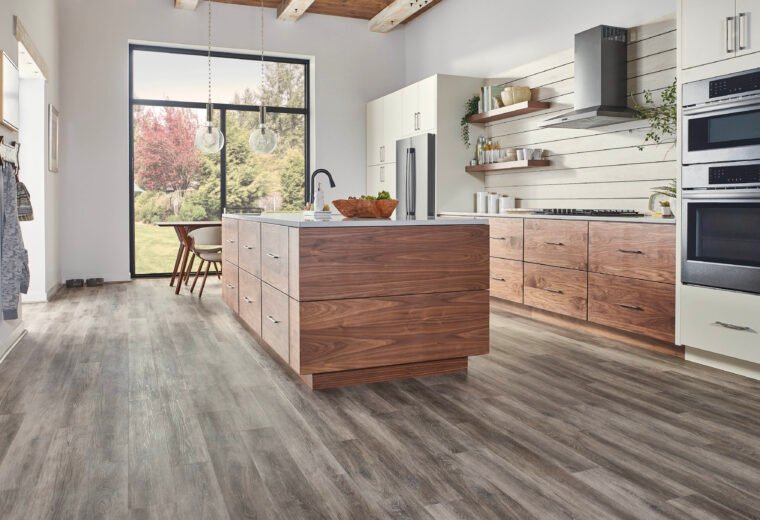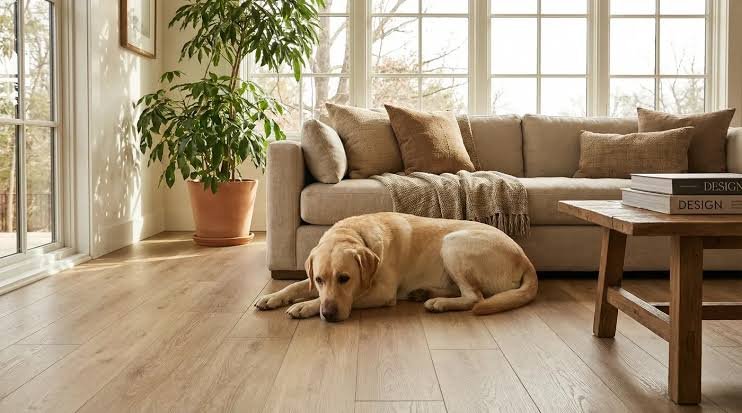
Anyone with a dog or cat knows the struggle — scratched floors, the occasional accident, muddy paw prints after a rainy walk. Choosing the right flooring for pets upfront saves you a lot of frustration and repeat cleaning down the line.
What to Look For in Pet-Friendly Flooring
Quick answer: The best flooring for pets is scratch-resistant, water-resistant, and easy to clean — vinyl, tile, and certain engineered woods with a scratch-resistant coating consistently outperform traditional hardwood or carpet for households with dogs and cats.
Traction also matters, especially for larger dogs or older pets who can struggle on overly slick surfaces.
Vinyl Flooring
Vinyl (particularly luxury vinyl plank, or LVP) has become one of the most popular pet-friendly flooring choices, and for good reason. It’s water-resistant, scratch-resistant, and significantly more affordable than hardwood, typically costing ₹80-₹200 per sq ft installed.
I’ve recommended vinyl to more than a few pet-owning friends, and the consistent feedback is that it genuinely holds up to daily wear without looking worn after a year or two.
Tile Flooring
Tile is one of the most durable and easiest-to-clean options for pet owners, handling scratches, water, and accidents without lasting damage. The main downside is that tile can be cold and hard, which isn’t ideal for older pets with joint issues, and it can be slippery for pets without proper traction — matte or textured finishes help here.
[link to related guide about vinyl vs laminate flooring here]
Engineered Wood with Scratch-Resistant Coating
If you love the look of hardwood but worry about scratches, engineered wood with a hardened finish (aluminum oxide coating, specifically) offers a middle ground — it looks like real wood but resists scratching better than traditional solid hardwood.
It’s pricier than vinyl, typically ₹200-₹400 per sq ft, but for pet owners who really want a wood aesthetic, it’s a solid compromise.
What to Avoid
Some flooring types genuinely don’t hold up well with pets:
- Traditional solid hardwood — scratches easily and water damage from accidents can warp it
- Carpet — traps pet hair, odors, and stains that are difficult to fully remove
- High-gloss polished tiles — too slippery for pets, increasing injury risk especially for older animals
Grout and Sealing Considerations
If you go with tile, pay attention to grout — unsealed grout absorbs pet accidents and odors over time. Using epoxy grout or ensuring regular resealing keeps this from becoming an ongoing smell issue.
[link to related guide about deep cleaning checklist here]
Rugs and Mats for High-Traffic Areas
Even with pet-friendly flooring, adding washable rugs or mats near entryways and feeding areas helps manage mud, water, and food spills without constantly cleaning the main flooring surface. Just make sure they’re non-slip backed so they don’t become a hazard themselves.
Budget Considerations
If budget is the main constraint, vinyl offers the best balance of pet-friendliness and affordability. Tile costs similarly but installation can run higher due to labor. Engineered wood sits at the premium end but offers the closest look to real hardwood while still handling pet wear reasonably well.
FAQ
Q: Is vinyl flooring really durable enough for large dogs? Yes, quality luxury vinyl plank handles scratches from nails and claws well, especially compared to traditional hardwood or laminate options.
Q: Can pet urine damage tile flooring? The tile itself resists damage, but unsealed grout can absorb odors and stains over time, so proper sealing is important for pet households.
Q: What flooring should I avoid with pets? Traditional solid hardwood, carpet, and high-gloss polished tiles all present challenges with scratching, staining, odor retention, or slipperiness.
Q: Is engineered wood a good compromise for pet owners who want a wood look? Yes, especially with a scratch-resistant aluminum oxide coating, though it’s pricier than vinyl and still not as tough as tile.
Q: How can I make slippery tile floors safer for older pets? Choose matte or textured tile finishes rather than high-gloss, and add non-slip rugs in areas where pets frequently walk or rest.
Conclusion
Choosing the right flooring for pets upfront saves years of frustration with scratches, stains, and cleaning headaches. Vinyl and tile consistently perform best for durability and ease of cleaning, while engineered wood offers a reasonable middle ground if you want a natural wood look. Whatever you choose, factor in your specific pets — their size, age, and habits — since a flooring choice that works for a small cat won’t necessarily hold up the same way for a large, energetic dog.
Image Alt Text Suggestions:
- “Luxury vinyl plank flooring in home with dog”
- “Pet-friendly tile flooring in living room”
- “Scratch-resistant engineered wood flooring with cat”