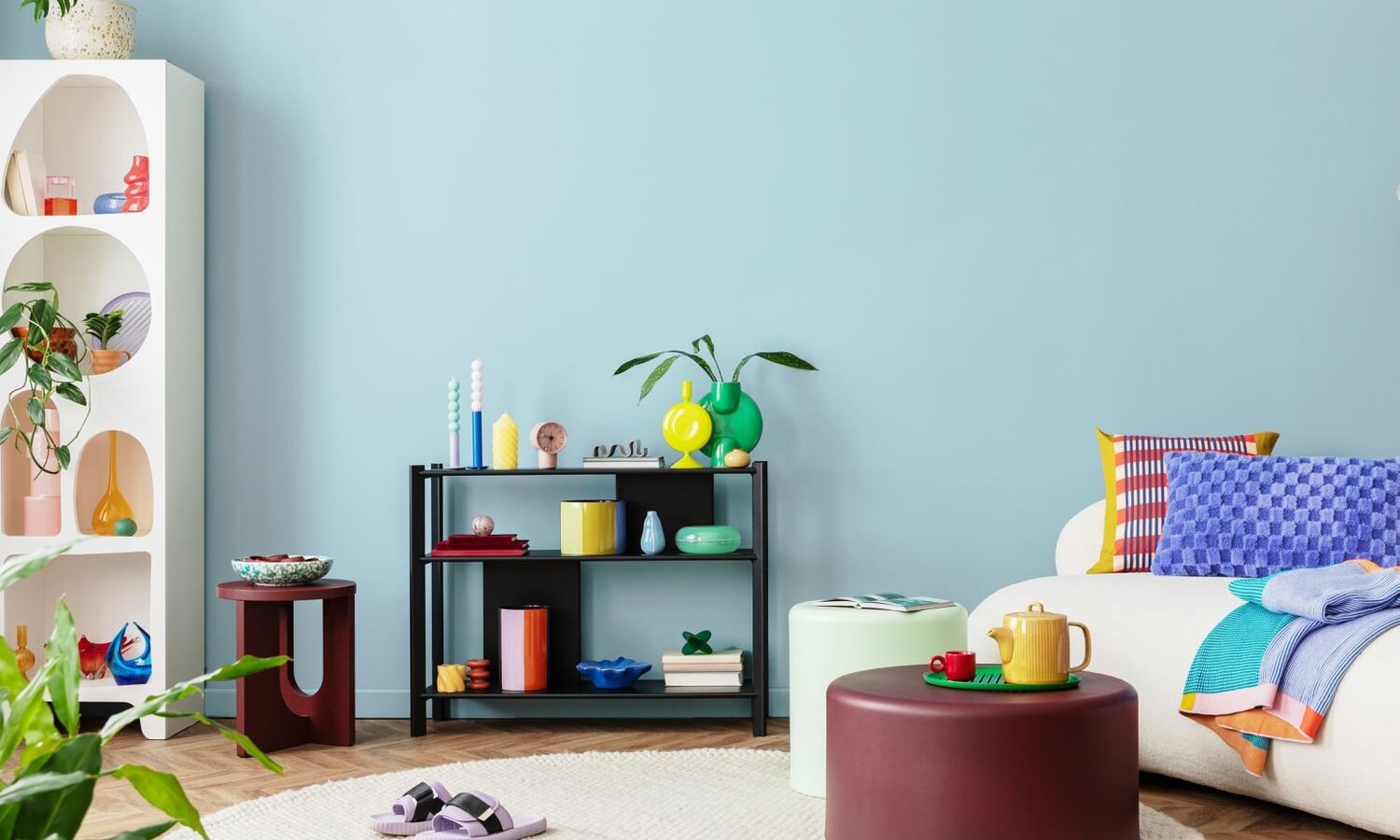
Small rooms don’t have to feel cramped. I’ve seen tiny bedrooms transformed just through smart paint colors choices — no structural changes, no extra square footage, just the right shade applied thoughtfully.
What Colors Actually Work for Small Spaces
Quick answer: The best paint colors for small rooms are light, cool-toned shades like soft whites, pale blues, and light greys, since they reflect more light and visually push walls outward, while dark colors tend to make small spaces feel more enclosed.
That said, there are exceptions worth knowing about too.
Light Neutrals Are the Safe Bet
Soft whites, warm beiges, and light greys reflect the most natural light, which is exactly what small rooms need to avoid feeling boxed in. These shades also work well with almost any furniture or decor style, so they’re a low-risk choice if you’re unsure.
I’ll be honest — I used to think neutral meant boring, but the right warm white with subtle undertones can look genuinely sophisticated, not flat.
Cool Tones Create Visual Depth
Pale blues, soft sage greens, and light lavenders create a sense of depth and calm, making walls feel like they recede slightly rather than close in. These work particularly well in small bedrooms where you want a relaxed, airy feeling rather than stark brightness.
[link to related guide about interior vs exterior paint here]
Monochromatic Schemes Trick the Eye
Using varying shades of the same color — walls, trim, and ceiling in slightly different tones of one hue — removes the visual “stopping points” that make a room feel chopped up and smaller. This monochromatic approach is one of the most effective tricks for small room paint colors, even though it sounds counterintuitive.
A simple way to apply this:
- Pick a base color for the walls
- Go one or two shades lighter for the ceiling
- Use a slightly darker or matching trim color instead of stark white trim, which can visually cut the room
When Dark Colors Actually Work
Contrary to popular advice, a dark, moody color can work in a small room — but only if there’s ample natural light and you commit to it fully (all walls, not just an accent wall). Done right, a dark small room can feel intentionally cozy rather than cramped. Done wrong, it feels claustrophobic.
I’d only recommend this approach for rooms with big windows and good lighting fixtures. Without that, stick with lighter tones.
Avoid These Common Color Mistakes
- Using too many different colors in one small space, which fragments the visual flow
- Choosing high-gloss finishes on walls with imperfections, since gloss highlights flaws
- Painting trim a stark contrasting white, which visually shrinks the wall color area
- Going too dark without adequate natural or artificial lighting to compensate
[link to related guide about budget home improvement ideas here]
Finish Matters as Much as Color
Matte or eggshell finishes tend to work better in small rooms than high-gloss, since gloss reflects light unevenly and can highlight wall imperfections rather than making the space feel bigger. Save higher-gloss finishes for trim and doors rather than full walls.
Testing Before Committing
Always test a sample patch on the actual wall, in the room’s actual lighting, before committing to a full paint job. Paint chips and online color previews look different once applied at scale in real lighting — a shade that looked perfect on a small swatch can feel completely different across a whole wall.
FAQ
Q: What’s the best single paint color for making a small room feel bigger? A soft, warm white or light grey is the safest and most universally effective choice for maximizing light reflection and visual space.
Q: Can dark colors work in small rooms? Yes, but only with strong natural light and a fully committed color scheme rather than a single accent wall, otherwise the room can feel cramped.
Q: Should ceiling and wall colors match in a small room? A slightly lighter ceiling shade than the walls, in the same color family, helps create a sense of height and openness.
Q: What paint finish is best for small rooms? Matte or eggshell finishes generally work better than high-gloss, which can highlight wall imperfections and reflect light unevenly.
Q: Is it a mistake to paint trim white in a small room? Stark white trim against a colored wall can visually shrink the wall area; a matching or slightly darker trim tone often looks more cohesive.
Conclusion
Choosing the right paint colors for a small room comes down to understanding how light and tone affect visual space, not just personal preference alone. Light neutrals and cool tones remain the safest bet, but a well-lit room can pull off darker, cozier shades if you commit fully. Test before you paint the whole room, and don’t be afraid to break the “always go light” rule if your space and lighting support it.
Image Alt Text Suggestions:
- “Small bedroom painted in light sage green color”
- “Monochromatic paint scheme in compact living room”
- “Paint color swatches being tested on small room wall”