Not every plumbing issue needs an emergency call-out. I’ve fixed enough small problems around my own place to know that a good number of common plumbing problems have simple, genuinely doable fixes if you know where to look first.
Which Plumbing Problems Are DIY-Friendly
Quick answer: Common plumbing problems like leaky taps, slow drains, running toilets, and low water pressure often have simple DIY fixes involving basic tools, while issues like pipe bursts, sewage backups, or gas line problems always need a professional plumber.
Knowing which category a problem falls into saves you both time and unnecessary callout charges.
Leaky Taps
This is probably the most common household plumbing complaint, and it’s usually a worn washer or O-ring inside the tap, costing maybe ₹20-₹50 to replace. Turn off the water supply, unscrew the tap handle, replace the washer, and you’re done — no plumber needed for most cases.
I’ve fixed this myself more times than I can count. It genuinely takes 15-20 minutes once you’ve done it once.
Slow or Clogged Drains
Hair, soap residue, and food particles build up in drains over time. Before reaching for harsh chemical drain cleaners (which can actually damage older pipes with repeated use), try:
- A plunger for sink or bathtub clogs
- A drain snake or wire hanger to physically pull out hair clogs
- Baking soda + vinegar poured down, followed by hot water after 15 minutes
[link to related guide about deep cleaning checklist here]
Running Toilets
A toilet that keeps running after flushing usually means the flapper valve inside the tank isn’t sealing properly. Replacement flapper valves cost around ₹150-₹300 and take about 10 minutes to swap out — genuinely one of the easiest plumbing fixes there is.
This one matters for your water bill too. A running toilet can waste hundreds of liters a day without you noticing.
Low Water Pressure
Before assuming it’s a bigger plumbing issue, check the aerator (the small mesh screen at the tap’s tip) — mineral deposits build up there and restrict flow. Unscrew it, soak it in vinegar for an hour, scrub gently, and reattach. This resolves low pressure surprisingly often.
If pressure issues affect the whole house rather than one tap, that’s a sign to call a plumber, since it could point to a supply line issue.
Dripping Pipes Under the Sink
A slow drip under the sink is often just a loose connection rather than a cracked pipe. Check if tightening the joint with a wrench stops it. If the pipe itself looks corroded or cracked, that’s when you need a professional replacement rather than a DIY patch.
[link to related guide about preventing frozen pipes here]
When to Actually Call a Plumber
Some issues are genuinely not DIY territory, no matter how confident you feel:
- Any sewage backup or bad smell from drains
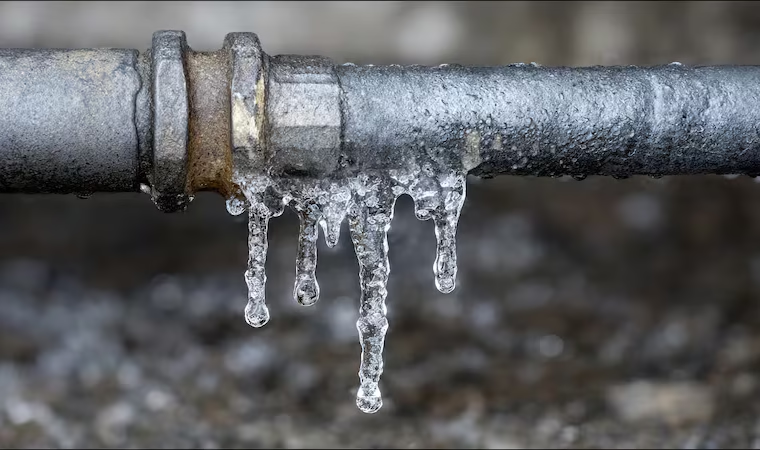
- Burst pipes or major leaks behind walls
- Water heater issues involving gas lines
- Any work requiring changes to the main water line
I’ll admit, I’ve tried to DIY a burst pipe situation once, made it worse, and ended up paying more for the emergency plumber than I would have if I’d just called immediately. Lesson learned.
Basic Tools Worth Keeping at Home
A small plumbing toolkit saves you from scrambling during an actual issue:
- Adjustable wrench
- Plunger (separate ones for sink and toilet, ideally)
- Plumber’s tape (for sealing threaded connections)
- A basic drain snake
FAQ
Q: Can I fix a leaky tap myself? Yes, in most cases it’s just a worn washer that needs replacing, a simple fix that takes 15-20 minutes with basic tools.
Q: Are chemical drain cleaners safe to use regularly? Not ideally — repeated use can damage older pipes over time. Mechanical methods like plungers or drain snakes are gentler long-term.
Q: Why does my toilet keep running after I flush? Usually a worn flapper valve inside the tank that isn’t sealing properly, an inexpensive and quick DIY replacement.
Q: What plumbing problems should never be DIYed? Sewage backups, burst pipes, gas line issues, and main water line problems should always go to a licensed plumber.
Q: How can I improve low water pressure at a single tap? Clean the aerator at the tap’s tip by soaking it in vinegar — mineral buildup there is a common, easily fixable cause.
Conclusion
A good number of common plumbing problems don’t need an emergency plumber visit if you know the basic fixes. Leaky taps, slow drains, running toilets, and low pressure are all manageable with simple tools and a bit of patience. But know your limits — sewage issues, burst pipes, and gas line problems are always worth the professional callout. Save yourself the time and money on the small stuff, and the worry on the big stuff.
Image Alt Text Suggestions:
- “Fixing leaky tap with new washer replacement”
- “Using drain snake to clear clogged bathroom sink”
- “Replacing toilet flapper valve to fix running toilet”