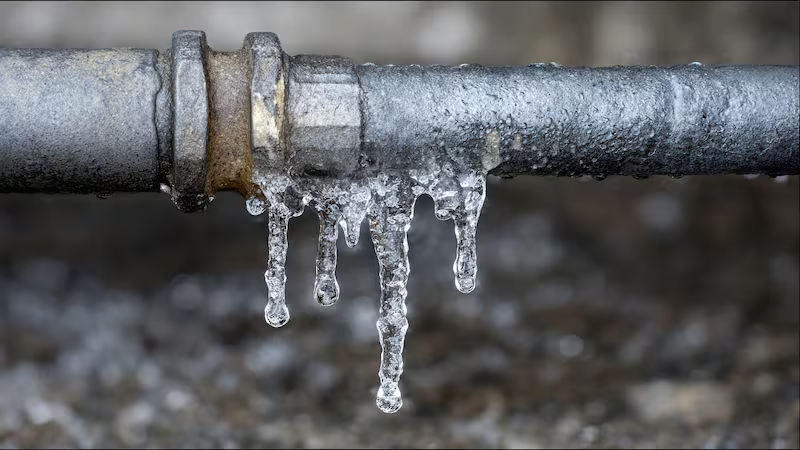
Frozen pipes aren’t something most of India deals with often, but for homes in hill stations, parts of North India during peak winter, or anyone with exposed outdoor plumbing, it’s a real concern. And when pipes freeze and burst, the water damage cleanup costs far more than the prevention would have.
Why Pipes Freeze and Burst
Quick answer: Pipes freeze when water inside them drops below freezing temperature, causing it to expand and put pressure on pipe walls until they crack. The most effective way to prevent frozen pipes is insulating exposed pipes and keeping a slow drip running during extreme cold.
Exposed pipes — those running along outer walls, in unheated spaces, or outdoors — are the most vulnerable.
Insulate Exposed Pipes
Pipe insulation sleeves cost relatively little, usually ₹50-₹150 per meter, and are simple to install yourself by wrapping them around exposed pipe sections. Focus especially on:
- Pipes running along exterior walls
- Any plumbing in unheated areas like garages or basements
- Outdoor taps and hose connections
I’ve noticed people insulate the obvious outdoor pipes but forget the ones running through cold, unheated storage rooms indoors — those freeze just as easily.
Let Taps Drip During Extreme Cold
On genuinely freezing nights, letting a tap drip slowly keeps water moving through the pipe, and moving water is far less likely to freeze than still water. It feels wasteful, but it’s a small tradeoff compared to a burst pipe repair.
[link to related guide about common plumbing problems here]
Seal Gaps and Drafts
Cold air entering through gaps around pipes — where they pass through walls or foundations — speeds up freezing significantly. Sealing these gaps with caulk or expanding foam is a cheap, effective preventive step that also helps with general home insulation.
Keep Indoor Temperature Consistent
Don’t drastically lower your heating at night if you’re in a genuinely cold region, especially if you have exposed indoor plumbing. A consistent minimum temperature, even overnight, keeps pipes from experiencing the sharp cold spikes that lead to freezing.
Some practical steps for this:
- Keep cabinet doors under sinks open on especially cold nights, so warm room air reaches the pipes
- Avoid setting heating to “off” during extended absences in winter — keep it at a low minimum instead
- Consider a smart thermostat that maintains a minimum temperature automatically
[link to related guide about smart home upgrades here]
What to Do If a Pipe Already Froze
If you notice reduced or no water flow from a tap during cold weather, act before it bursts:
- Locate the frozen section (often where the pipe is exposed or near an exterior wall)
- Apply gentle heat with a hairdryer or warm towels — never an open flame
- Keep the tap open slightly while thawing so water can flow as ice melts
- If you can’t locate the frozen section or suspect it’s already cracked, shut off the main water supply and call a plumber
Preparing Before Winter Arrives
The best approach is prevention well before cold weather sets in, not scrambling once temperatures drop. Late autumn is the ideal time to insulate pipes, seal drafts, and check that outdoor taps have proper shutoff valves for winter.
[link to related guide about home maintenance checklist here]
FAQ
Q: At what temperature do pipes typically freeze? Pipes are at risk when temperatures drop below 0°C for extended periods, especially in exposed or poorly insulated sections.
Q: Does letting a tap drip really prevent frozen pipes? Yes, moving water freezes much more slowly than still water, making a slow drip an effective and simple preventive measure during extreme cold.
Q: How do I know if a pipe has already frozen? Reduced or completely stopped water flow from a specific tap during cold weather is the most common sign of a frozen section.
Q: Can I use a blowtorch to thaw a frozen pipe? No, open flames are dangerous and can damage pipes further or cause a fire. Use a hairdryer or warm towels instead.
Q: Which pipes are most at risk of freezing? Pipes along exterior walls, in unheated spaces like garages, and outdoor taps or hose connections are the most vulnerable to freezing.
Conclusion
Taking a few preventive steps before winter arrives is far cheaper and less stressful than dealing with a burst pipe mid-cold-snap. Insulate exposed sections, seal drafts, keep a consistent indoor temperature, and let taps drip on the coldest nights. Prevent frozen pipes now, and you’ll skip the water damage cleanup and repair costs entirely when the temperature drops.
Image Alt Text Suggestions:
- “Insulated pipe wrap to prevent frozen pipes in winter”
- “Dripping tap during cold winter night to prevent freezing”
- “Sealing gaps around exterior pipes before winter”